

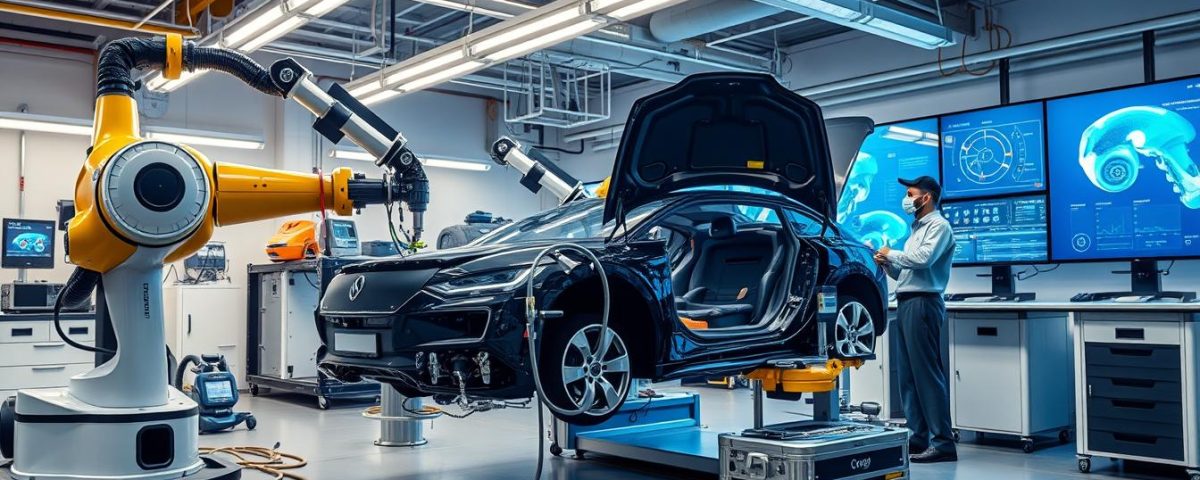
In the rapidly evolving automotive industry, technology is redefining the way vehicles are built, maintained, and repaired. Modern auto repair shops are no longer just garages filled with wrenches and hydraulic lifts. They are now high-tech diagnostic centers equipped with advanced software, digital tools, and specialized systems to meet the growing demands of connected and electric vehicles. Understanding how technology is changing today’s auto repair shops is key to appreciating how innovation drives efficiency, precision, and safety in vehicle servicing.
The Digital Transformation of Auto Repair Shops
The introduction of digital tools and software has transformed traditional repair operations into streamlined, data-driven processes. Shop management systems, diagnostic tools, and connected platforms are now essential for handling modern vehicles equipped with complex electronic systems.
Advanced Diagnostic Systems
Vehicles today come with an intricate network of sensors and computer modules that monitor everything from tire pressure to engine performance. Mechanics now rely on OBD-II scanners and AI-driven diagnostic platforms to detect issues that were once impossible to find manually. These systems can analyze live data from a car’s onboard computer, helping technicians pinpoint problems in seconds rather than hours.
Key Benefits of Modern Diagnostics:
- Accurate troubleshooting through real-time data analysis
- Reduced repair time and fewer errors
- Ability to access manufacturer-specific repair codes
- Enhanced transparency with customers via digital reports
According to recent industry data, over 70% of auto repair shops in the U.S. have adopted some form of digital diagnostic system, helping them provide faster and more reliable services.
The Rise of Electric and Hybrid Vehicle Repairs
The shift toward electric vehicles (EVs) and hybrids has introduced a new era of technical challenges. Unlike traditional combustion engines, EVs have high-voltage systems, battery management software, and complex drivetrains that require specialized knowledge.
Specialized Training and Equipment
Auto repair professionals now need to undergo EV certification programs to handle battery systems safely. This training includes understanding thermal management, regenerative braking, and high-voltage disconnection procedures.
Repair shops are investing heavily in:
- Insulated tools and protective gear for high-voltage systems
- Battery diagnostics and reconditioning equipment
- Software interfaces for EV-specific maintenance
Industry insights from 2025 show that 61% of repair shops now service electric or hybrid vehicles, a figure expected to rise sharply as EV adoption grows across the U.S.
Integration of Telematics and Connected Car Data
Modern vehicles are connected to the internet through telematics systems that collect and transmit performance data to manufacturers, insurers, and repair shops. This real-time information allows mechanics to anticipate potential failures before they occur.
Predictive Maintenance
With telematics, auto shops can perform predictive maintenance, where service schedules are based on vehicle usage and condition rather than fixed intervals. This reduces downtime and enhances vehicle longevity.
Examples of Telematics in Action:
- Notifications for oil changes based on engine hours
- Automatic alerts for brake pad wear
- GPS tracking to monitor fleet performance
- Cloud-based updates for over-the-air repairs
Telematics integration not only boosts efficiency but also builds stronger customer relationships through proactive service.
ADAS Calibration and Safety Compliance
One of the most significant technological shifts in auto repair involves Advanced Driver Assistance Systems (ADAS). These include features like lane departure warnings, adaptive cruise control, and collision avoidance systems. According to new regulations from the National Highway Traffic Safety Administration (NHTSA), repair shops must provide documented proof of ADAS calibrations after any repair that affects sensors or cameras.
Challenges in ADAS Calibration
ADAS systems rely on multiple cameras, radar, and lidar sensors positioned precisely around the vehicle. Even minor misalignments can compromise safety. Calibration now requires:
- Specialized alignment tools and targets
- Controlled lighting and surface environments
- Dedicated software for sensor recalibration
Shops that fail to meet these new compliance standards risk liability and customer dissatisfaction. As ADAS-equipped cars become standard, calibration services are becoming a crucial profit center for modern repair businesses.
Automation and Robotics in Auto Service
Automation has entered the service bay as well. From robotic arms capable of performing tire changes to AI-driven maintenance bots, technology is enhancing speed and consistency in repairs.
Examples of Automation in Auto Repair:
- Robotic systems for wheel alignment and fluid exchange
- Automated tire balancing and mounting machines
- AI-assisted inspection systems using computer vision
- Self-updating inventory management systems
These innovations not only improve accuracy but also reduce physical strain on technicians, promoting safer work environments.
Shop Management Software and Workflow Optimization
Behind every efficient auto shop lies a robust shop management software system. These platforms handle scheduling, parts inventory, billing, and customer communication in one integrated interface.
According to Market Research Future (2024), the global auto repair software market is projected to grow from $19.6 billion in 2023 to $36.8 billion by 2032. The driving factors include the need for digital invoicing, cloud-based storage, and remote customer engagement.
Benefits of Modern Shop Software:
- Centralized management of repair orders and inventory
- Automated appointment scheduling and digital payment options
- Customer portals for transparency and tracking
- Performance analytics to optimize technician productivity
By integrating such systems, shops can improve operational efficiency, minimize administrative burdens, and deliver a seamless customer experience.
3D Printing and On-Demand Parts Manufacturing
Another revolutionary development is 3D printing technology, which allows shops to create custom or replacement parts on demand. This reduces reliance on long supply chains and speeds up repair timelines.
Practical Uses of 3D Printing in Auto Repair:
- Fabrication of unavailable or discontinued components
- Rapid prototyping of brackets and mounts
- Customization for performance vehicles
3D printing supports sustainability goals by minimizing waste and promoting local part production. It is quickly becoming a cost-effective solution for niche repairs and vintage restorations.
Artificial Intelligence and Data Analytics
AI-driven analytics tools are helping shop owners make smarter decisions. From forecasting demand to detecting fraud in warranty claims, artificial intelligence is redefining how business intelligence operates in the automotive service sector.
Key Applications of AI in Repair Shops:
- Predicting part failures using data from previous repairs
- Automating estimate generation and billing accuracy
- Enhancing customer retention through behavior analysis
- Streamlining labor allocation based on workload trends
These insights enable shops to deliver faster turnaround times and increase profitability without compromising service quality.
Sustainable Technologies and Green Repair Practices
Sustainability is another key theme reshaping auto repair operations. New environmental regulations encourage repair shops to adopt eco-friendly technologies that reduce emissions and waste.
Examples of Sustainable Practices:
- Use of biodegradable lubricants and cleaning solutions
- Installation of solar-powered energy systems
- Recycling of batteries, tires, and vehicle fluids
- Paperless workflow systems for digital documentation
Green technologies not only reduce operational costs but also attract environmentally conscious customers.
The Future of Auto Repair: AI, AR, and Remote Assistance
Emerging tools such as augmented reality (AR) are taking training and remote diagnostics to a new level. Technicians can wear AR glasses to receive live instructions or visual overlays for complex repairs. Similarly, AI-driven remote assistance enables experts to guide on-site mechanics in real time, improving accuracy and reducing downtime.
FAQs about Technology in Auto Repair Shops
Q1: How is AI improving customer service in auto repair shops?
AI enhances customer interactions by automating appointment scheduling, estimating repair costs, and sending personalized maintenance reminders. This helps shops maintain consistent engagement and improve satisfaction.
Q2: What new skills do technicians need for modern auto repairs?
Technicians now need strong computer literacy, software diagnostic expertise, and knowledge of electrical systems, especially for EV and ADAS-equipped vehicles.
Q3: Are small independent shops able to adopt these technologies?
Yes. Many digital tools are now offered on subscription models, allowing small and mid-sized repair shops to affordably implement diagnostic and management technologies without major upfront investments.
Q4: How do regulations affect technology adoption in repair shops?
Regulations from agencies like NHTSA are pushing shops to adopt certified calibration tools and maintain detailed service documentation, ensuring vehicle safety and compliance.
Q5: Will automation replace human mechanics?
Automation will enhance, not replace, human mechanics. It will handle repetitive or precision tasks, allowing technicians to focus on diagnostics, customer service, and specialized repairs.
Today’s auto repair shops are no longer defined by wrenches and grease—they’re defined by data, innovation, and digital intelligence. Technology continues to drive this transformation, making repairs faster, safer, and more efficient than ever before. Those who embrace these advancements will not only survive in the evolving automotive landscape but thrive as leaders in the next generation of mobility services.