

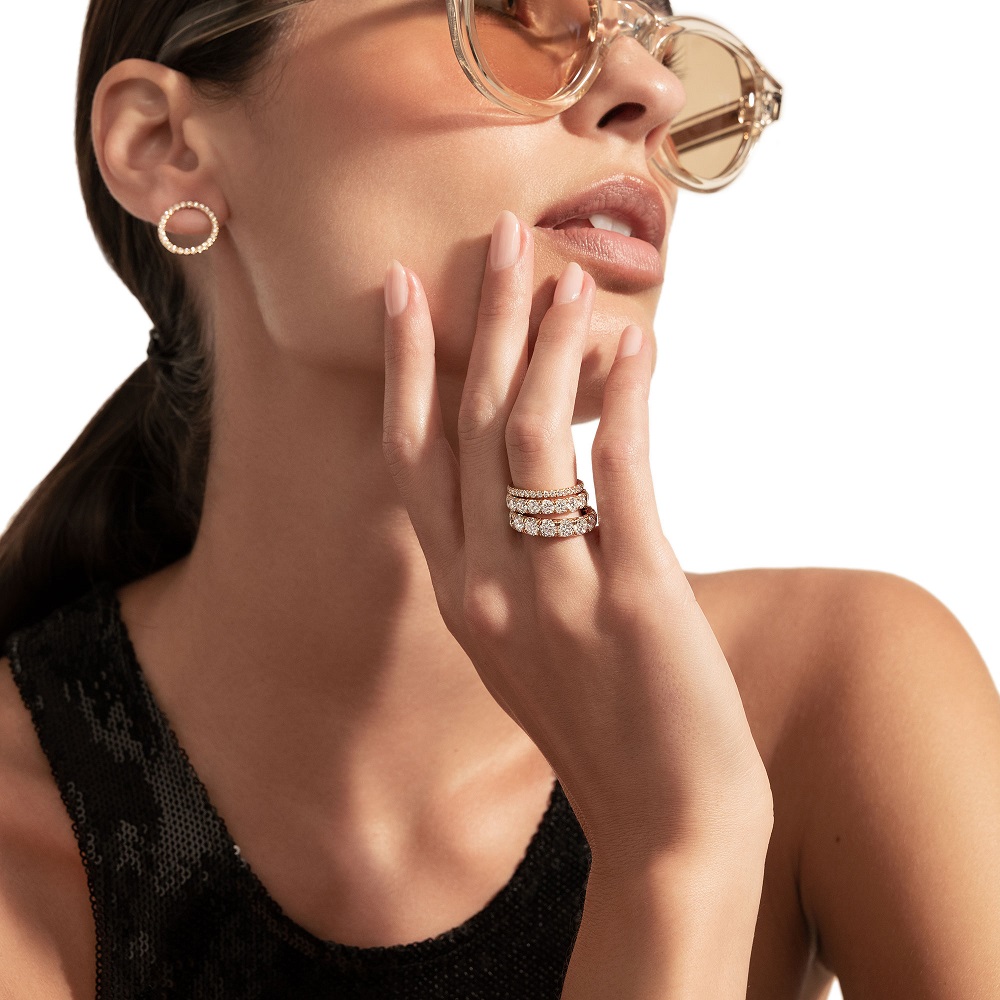
Wedding jewelry has long included familiar choices such as diamond rings, gold necklaces, earrings, and bracelets. Today, brides are finding ways to make these pieces more personal while keeping the details that connect them to family traditions and wedding customs. Some choose a ring that reflects their everyday style, while others incorporate a family heirloom, select a distinctive setting, or combine jewelry passed down through generations with newer designs.
Jean Dousset offers lab-grown diamond jewelry for brides who want to explore different settings, diamond sizes, and design details when choosing pieces for their wedding. Personalization does not necessarily mean moving away from traditional jewelry. Often, it comes down to selecting familiar designs that feel suited to the person wearing them.
Choosing a Wedding Ring That Reflects Personal Style
The wedding ring is one of the most personal pieces of jewelry a bride chooses. It is worn regularly, often alongside an engagement ring, so the design needs to work with both the bride’s preferences and her daily routine. While classic bands and diamond rings remain popular choices, brides can personalize them through the setting, band profile, metal colour, and diamond arrangement.
Some prefer a simple band that sits neatly beside an engagement ring. Others choose a diamond-set band that adds more detail or complements the shape of the centre diamond. The decision can also depend on whether the wedding ring will be worn on its own or stacked with other rings.
When exploring diamond wedding rings, it helps to look beyond the overall appearance and consider how the ring will be worn. A curved band may complement a particular engagement ring, while a straight band can create a different look. The width and setting also influence comfort and how the rings sit together.
Jean Dousset’s wedding band designs offer a starting point for brides looking at different ways to pair a wedding ring with their engagement ring. Rather than choosing a band simply because it follows a traditional style, brides can look for one that complements the design they already wear and suits their personal taste.
Personalizing Diamond Settings and Ring Details
A ring’s setting can make a familiar design feel individual. Two rings with similar diamond shapes may look quite different depending on how the diamond is held, the height of the setting, and the proportions of the band. These details allow brides to choose a design that feels personal without abandoning the traditional diamond ring.
For example, a solitaire setting keeps the focus on one centre diamond, while a pavé band introduces additional diamonds along the ring. A bezel setting frames the diamond with a rim of metal, creating a distinct outline. Each style offers a different appearance and can influence how the ring pairs with a wedding band.
Brides considering a lab-grown diamond ring can explore these setting choices alongside the diamond’s shape, carat weight, colour, and clarity grades. The diamond and setting should work together, with the final choice reflecting the bride’s preferred style rather than a trend she may not want to follow long term.
Jean Dousset’s Elle Solitaire, for instance, features patent-pending double prongs that shape the way the centre diamond is presented. Its design offers an option for brides who want a traditional solitaire with a distinctive setting detail. The Audrey styles provide other directions, including high-polish and pavé designs, allowing brides to explore different combinations of metal and diamond detail.
Combining Family Heirlooms With New Jewelry
For many brides, personalizing wedding jewelry means keeping a connection to family history. A necklace worn by a mother, earrings passed down by a grandmother, or a ring inherited from another relative can bring personal meaning to the wedding-day look. These pieces may not match the rest of the jewelry exactly, but that does not mean they need to be left out.
One way to bring heirlooms into a wedding outfit is to give them a specific role. A vintage necklace can become the main accessory, with simpler earrings and a bracelet completing the look. If the heirloom is a pair of earrings, a bride may choose a necklace that complements its metal colour without competing with its design.
Another option is to wear traditional jewelry during one part of the wedding and choose contemporary pieces for another. A family necklace might be worn for the ceremony, while a more streamlined combination of earrings and bracelets works better for the reception.
The important part is preserving the connection that makes the heirloom meaningful while allowing it to fit the bride’s own style. New jewelry does not have to replace a family piece. The two can serve different purposes within the same wedding look.
Choosing Jewelry That Works With the Wedding Outfit
The wedding outfit is an important factor when selecting jewelry. Neckline, sleeve length, embroidery, and fabric all affect which pieces will complement the overall look. A heavily embellished blouse may already have enough detail around the neckline, while a simpler dress may leave room for a more noticeable necklace.
For a high neckline, earrings can provide the main focus without adding more detail around the collar. An open neckline may work well with a pendant or a necklace that follows its shape. Bracelets can add interest when the sleeves leave the wrists visible, while rings are an option regardless of the outfit’s neckline.
Brides choosing diamond wedding rings for women should also think about how the ring will look alongside the rest of their jewelry. If the engagement ring features a noticeable centre diamond, a simpler wedding band may create the preferred combination. A bride who enjoys a more detailed look may instead choose a band with additional diamonds.
Jean Dousset’s jewelry designs can be explored with these styling choices in mind. The aim is not to match every piece exactly, but to create a combination in which the rings, earrings, necklace, and other accessories complement the wedding outfit.
Exploring Lab-Grown Diamonds Through Design Choices
The way a bride personalizes her ring often begins with the diamond itself. Shape, size, colour, and clarity grade all influence the finished design. Some brides prefer a round diamond and a classic setting, while others are drawn to oval, pear, or emerald cuts. The choice may reflect personal taste, the proportions of the hand, or how the ring will pair with an existing engagement ring.
A lab diamond ring can be explored through these same design considerations. Brides can compare different diamond shapes and settings before deciding which combination suits their preferences. It is useful to assess the diamond and the finished ring together, since the setting influences the overall appearance and how the piece sits on the hand.
Jean Dousset selects the top 0.1% of lab-grown diamonds for its jewelry. For brides exploring the brand’s designs, diamond selection is one part of the process, alongside the setting, metal, and details that shape the finished piece.
The choice of a lab-grown diamond can also give brides more options to explore within their preferred budget and design. Rather than focusing on a single specification, it helps to compare the available combinations and decide which qualities matter most for the ring they intend to wear.
Making Traditional Jewelry Feel Personal
Personalization can extend beyond the ring itself. Brides may choose earrings they expect to wear after the wedding, a necklace that complements other jewelry they own, or a bracelet that can become part of their regular wardrobe. These choices make the wedding collection useful beyond the ceremony and reception.
There are several ways to make traditional jewelry more personal:
- Choose a distinctive setting: Select a solitaire, pavé, or bezel design that suits your preferred look.
- Include a family piece: Incorporate an heirloom into the wedding outfit rather than setting it aside because it differs from newer jewelry.
- Coordinate without matching everything: Use complementary metal colours, shapes, or design details to connect different pieces.
- Think beyond the wedding day: Choose rings and accessories that will work with everyday clothing as well as the wedding outfit.
- Prioritize comfort: Consider ring fit, setting height, and how the jewelry feels when worn for extended periods.
These choices allow brides to retain familiar wedding jewelry traditions while making decisions that reflect their own preferences.
Finding the Right Balance Between Tradition and Individuality
Traditional wedding jewelry continues to appeal to brides because of its familiarity and personal significance. However, following tradition does not mean every piece has to look the same. A classic diamond ring can have a distinctive setting, a family necklace can be paired with contemporary earrings, and a wedding band can be selected to complement an engagement ring rather than simply follow a standard combination.
Jean Dousset’s lab-grown diamond designs give brides options to explore different diamond shapes, settings, and jewelry styles while choosing pieces that suit their own preferences. The most important consideration is how each piece fits into the complete look and whether it feels right for the person wearing it.
Ultimately, personalizing traditional wedding jewelry is about making familiar choices your own. Whether that means selecting a particular ring setting, incorporating an heirloom, or choosing accessories that can be worn long after the wedding, the result should reflect the bride’s style while preserving the meaning behind the occasion.