

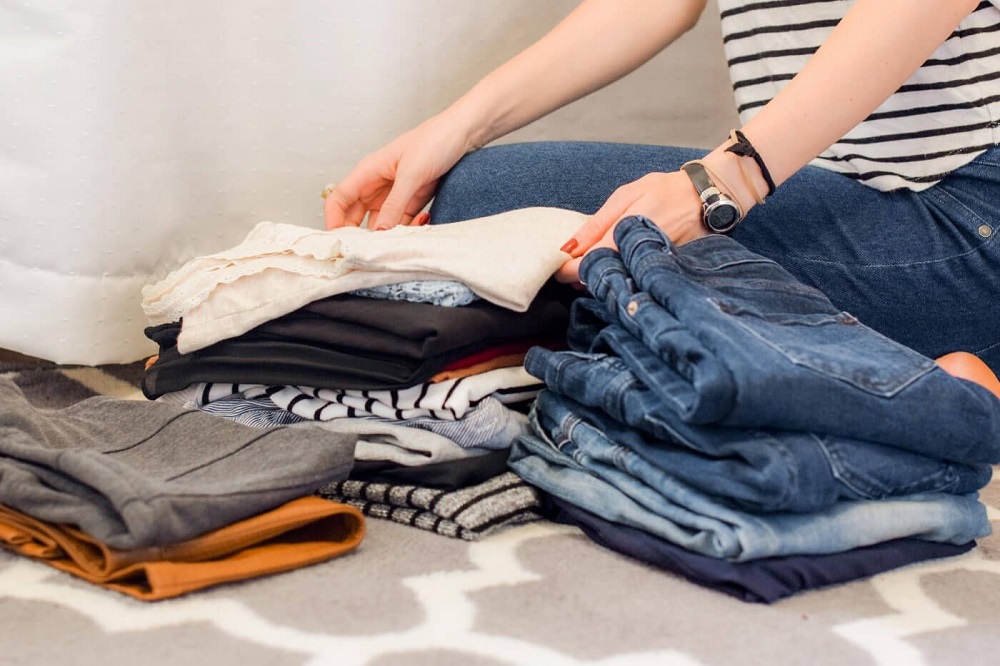
Modern clothing production often takes the blame for garments wearing out prematurely. While fast fashion manufacturing has unquestionably lowered structural quality across the board, consumer laundering and storage habits contribute just as heavily to the rapid degradation of a wardrobe. Aggressive agitation, scalding water temperatures, harsh chemical detergents, and intense mechanical dryer heat systematically strip fabrics of their natural oils, elasticity, and color vibrancy.
Extending the life of your wardrobe does not require an exorbitant financial investment or an intensive dry-cleaning regimen. It requires a return to mindful stewardship and a basic understanding of textile preservation. By shifting your approach from reactive laundering to preventative garment care, you save significant money, reduce environmental textile waste, and maintain the sharp appearance of your favorite pieces for years.
Rethinking Wash Frequency and Spot Treatment
The most widespread mistake in modern wardrobe maintenance is washing garments after a single, uneventful wear. Unless clothing has accumulated heavy sweat, dirt, or pungent odors, tossing it directly into the laundry basket does far more damage than routine wear ever could. Every journey through a washing machine subjects delicate fibers to tensile friction, micro-abrasions, and water saturation.
Paring down wash cycles preserves fiber density and dye saturation:
-
The Airing Ritual: After removing a garment at the end of the day, avoid throwing it onto a chair or hanging it immediately in a crowded closet. Drape it over an open rack or hanger near an open window for a few hours. Fresh airflow naturally disperses ambient odors and evaporates residual body humidity.
-
Targeted Spot Cleaning: If you drip oil, sauce, or coffee on a shirt, do not submerge the entire garment. Treat the specific stain immediately with a drop of gentle liquid castile soap, baking soda paste, or a damp microfiber cloth, dabbing lightly rather than scrubbing aggressively.
-
Denim Preservation: Heavy denim rarely requires frequent machine washings. Hanging jeans outside in fresh air or spot-cleaning surface scuffs keeps the cotton fibers tight and prevents the indigo dye from washing out into flat, dull tones.
Reserving full machine immersion for garments that are genuinely soiled cuts laundry wear in half over the course of a single year.
Mastering Machine Settings and Water Temperatures
When the time arrives for machine laundering, default automatic cycles often do excessive damage. Standard cycles spin too violently and heat water to temperatures that break down natural animal and plant fibers.
Optimizing your wash cycle settings creates a gentle cleaning environment that protects the integrity of your textiles:
-
Prioritize Cold Water: Modern laundry detergents are engineered with specialized surfactants and enzymes that activate fully in cold water. Washing in cold water eliminates ninety percent of thermal energy consumption, prevents fabrics from shrinking, and preserves rich dark dyes.
-
Select Gentle Cycles: Use the delicate or hand-wash cycle for knits, fine cottons, and blended synthetics. These cycles utilize slower wash agitator speeds and shorter spin durations, minimizing the twisting and torque that snap internal stitch threads.
-
Zip and Fasten Before Washing: Open metal zippers, hook-and-eye closures, and rough Velcro strips act like small saw blades inside a wash drum, snagging surrounding delicate weaves. Fasten all zippers, button up shirts, and clasp brassieres before loading the machine.
-
Turn Garments Inside Out: Turning shirts, trousers, and sweaters inside out ensures that surface friction occurs against the inside of the garment rather than the visible exterior face, preventing surface fading and surface abrasion.
Simple mechanical adjustments to your regular machine routine shield structural weaves from avoidable micro-tears.
The Art of Detergent Discipline
More soap does not yield cleaner clothing. In fact, overusing laundry detergent is a primary culprit behind stiff, scratchy fabrics and unpleasant, musty odors.
When you pour excessive detergent into a wash cycle, the machine cannot rinse away the surplus soap film completely during standard rinse cycles. This residual soap creates a microscopic film on fabric weaves that attracts dirt, traps dead skin cells, and harbors odor-causing bacteria. Over time, towels lose their natural absorbency, exercise apparel locks in persistent sweat smells, and cotton knits feel brittle.
-
Ditch Fabric Softeners: Liquid fabric softeners and single-use dryer sheets deposit a stubborn silicone wax coating over textiles. This coating destroys the moisture-wicking capabilities of activewear, ruins the fluffiness of terrycloth towels, and weakens elastic fibers in waistbands.
-
Halve the Recommended Measure: The fill lines printed inside plastic detergent caps are designed by chemical companies to accelerate product turnover. In most cases, using half to two-thirds of the recommended cap line cleans average loads thoroughly without leaving residues.
-
Incorporate White Vinegar as a Neutralizer: Adding half a cup of distilled white vinegar to the fabric softener dispenser during the final rinse breaks down soap scum, naturally softens water, and neutralizes odors without leaving any lingering scent behind.
Using less cleaning agent protects fabric breathability while keeping your home appliances free of gunky buildup.
Abandoning the Heat Dryer for Air-Drying
The home tumble dryer is the single most destructive appliance in the standard domestic laundry room. The contents of your dryer lint trap are visual proof of this destruction: that soft, colorful lint is composed of broken fabric fibers stripped directly from your garments by high heat and physical friction.
High heat causes synthetic fibers like elastane and spandex to crack, resulting in wavy, distorted zippers and saggy waistbands. It also causes wool to felt and shrink irreversibly.
-
Drying Racks and Lines: Invest in a sturdy, collapsible drying rack. Hang tops by their bottom hems or drape them evenly over horizontal dowels to avoid creating stretched shoulder peaks from clothespins.
-
Flat-Drying Heavy Knits: Never hang wet wool, cashmere, or heavy cotton knitwear on lines or standard hangers. The water weight pulls downward, permanently stretching the necklines and hems. Always lay sweaters flat on clean, dry towels, reshaping the torso and sleeves while damp.
-
The Low-Heat Alternative: If time constraints demand using a dryer for bed linens or sturdy socks, select the lowest heat setting available and remove items while they are still slightly damp to avoid baking the fibers into brittle rigidity.
Air-drying preserves the original elasticity, weave geometry, and hand feel of garments across their entire working lifespan.
Proper Storage, Hanger Selection, and Seasonal Rotation
How clothes rest in your closet during non-wearing periods directly dictates how long they hold their shape. Crowding garments together on low-grade wire or plastic hangers causes permanent shoulder warping, deep creasing, and premature seam splitting.
-
Throw Away Wire Hangers: Ultra-thin wire hangers from commercial dry cleaners focus the entire weight of a garment across a narrow metal line, creating stretched shoulder bumps that ruin the drape of tops.
-
Invest in Broad Hangers: Use wide, contoured wooden or sturdy velvet-flocked hangers for structured suits, blazers, and woven shirts. Broad wooden shoulders distribute garment weight evenly, preserving structural shoulder padding.
-
Fold All Knitwear: Sweaters, cardigans, and delicate jerseys should always be folded and stacked neatly on shelves or inside drawers. Storing heavy knits on hangers causes gravity to stretch the torso length and deform the collar area over several months.
-
Banish Plastic Dry-Cleaning Bags: Leaving clothes sealed inside thin plastic wrap traps ambient moisture, off-gases chemicals, and encourages mildew formation. Always remove plastic covers immediately, transferring garments to breathable, zippered cotton garment bags for long-term storage.
Providing adequate breathing space in your wardrobe prevents friction and keeps fine textiles fresh between wears.
Preventative Maintenance and Garment Repair
A missing button, a loose hem, or a tiny unraveling seam should never mark the end of a garment utility. Learning basic clothing repair allows you to intervene before minor wear spirals into irreparable structural failure.
-
Debobbling Knits: Surface friction naturally causes soft wool, cashmere, and synthetic yarns to form small, unsightly pills. Use a motorized fabric shaver or a specialized cashmere comb to sweep away pills periodically, restoring a flat, fresh surface texture without thinning the garment.
-
Reinforcing Loose Buttons: At the first sign of a loose thread on a shirt or overcoat button, re-stitch it with a needle and matching thread. Taking five minutes to reinforce a loose button prevents losing rare horn or mother-of-pearl buttons that are impossible to match later.
-
Preventative Cobbler Visits: Footwear is a crucial extension of your wardrobe. Take high-end leather shoes and boots to a qualified cobbler before the leather soles wear down to the footbed. Applying thin, protective rubber top-soles shields the original welt from moisture, sidewalk salt, and deep abrasive wear.
Approaching your garments with an eye for repair shifts your relationship with fashion from disposable consumption to intentional, sustainable stewardship.
Frequently Asked Questions
How can you eliminate moth holes in stored wool sweaters without harsh chemical mothballs?
Store clean woolens inside airtight cotton storage boxes or sealed canvas bags with natural cedar wood blocks or dried lavender sachets. Moths are attracted to human sweat oils and food particles on unwashed fibers, so thoroughly wash or air-out garments before packing them away for the season.
Is dry cleaning always safer than hand-washing delicate garments?
No. Traditional dry cleaning uses aggressive industrial solvents like perchloroethylene combined with heavy mechanical pressing, which can weaken fine natural fibers over time. Many items marked dry clean can be safely hand-washed at home in cold water using a pH-neutral wool wash.
How do you prevent dark denim from bleeding onto light sneakers and furniture?
Soak new raw denim inside out in a basin of cold water mixed with a cup of distilled white vinegar and two tablespoons of table salt before the first wear. This process helps set the unwashed indigo dyes and washes away surface pigment residues.
What causes small mystery pinholes around the front waist area of cotton t-shirts?
These tiny holes are almost always caused by friction between thin cotton knits, metal jeans buttons, and kitchen countertops or vehicle seatbelts. Tucking the front hem of your shirt slightly or wearing smooth leather belts prevents abrasive rubbing against hardware.
How do you restore the water repellency of technical rain jackets?
Clean the garment with a specialized residue-free tech wash rather than standard detergent, which clogs waterproof membranes. Once washed, tumble dry the jacket on low heat for twenty minutes to reactivate the durable water-repellent chemical coating on the outer shell.
Can you reverse clothing shrinkage caused by high dryer heat?
Moderate shrinkage in natural fibers like cotton, wool, and rayon can often be relaxed by soaking the piece in lukewarm water mixed with two tablespoons of hair conditioner or baby shampoo for thirty minutes. The conditioner softens the clenched fibers, allowing you to gently block and stretch the damp garment back to its original dimensions on a flat towel.
What is the best way to care for activewear containing high percentages of elastane?
Wash workout apparel inside out in cold water on a delicate cycle using a sports-specific enzyme detergent that breaks down body oils. Never use fabric softeners, and hang dry away from direct sunlight to prevent the elastane filaments from snapping and degrading.