

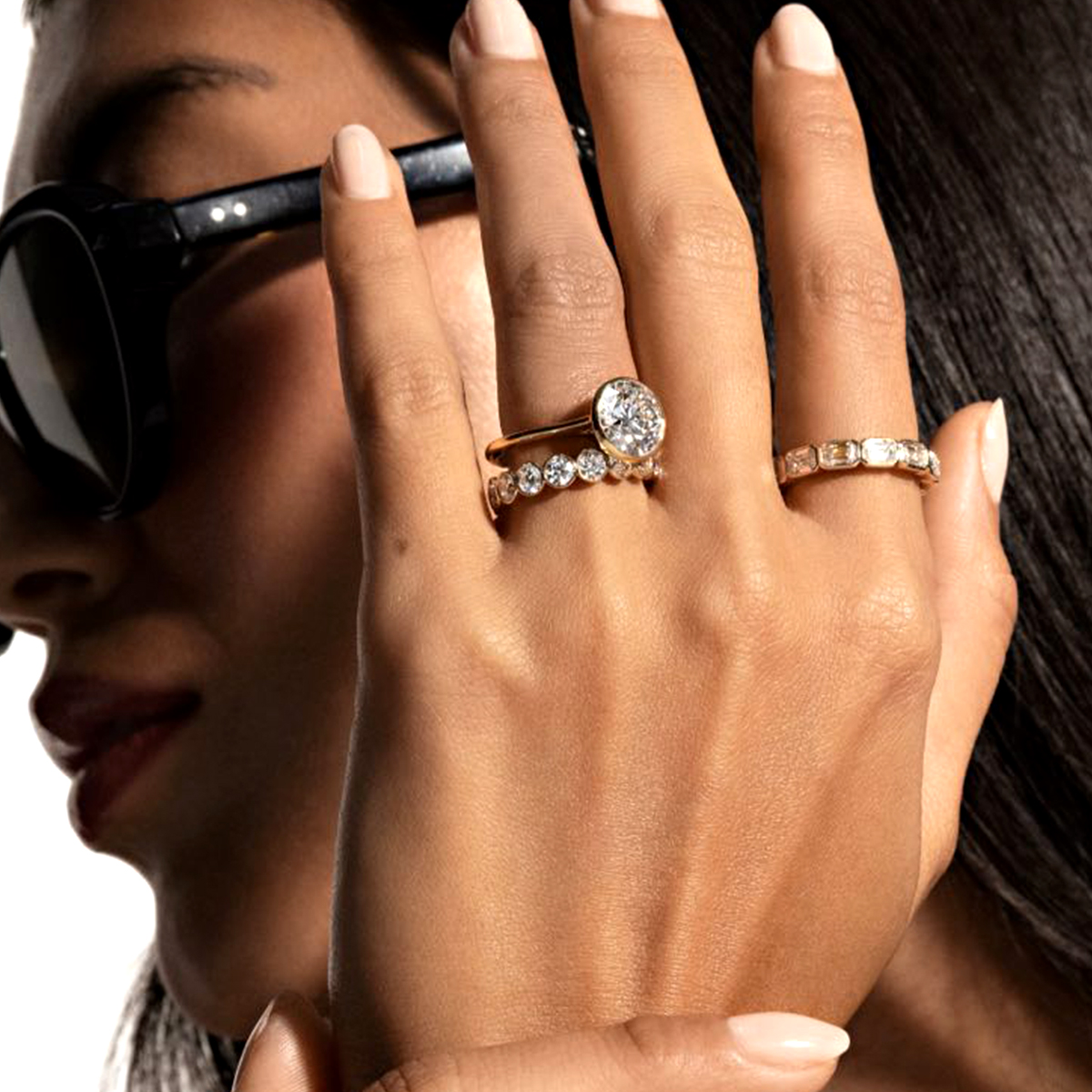
The perception of lab diamond engagement rings has shifted in a way that is difficult to ignore. What was once considered an alternative has become part of the core fine jewelry conversation. The change is not driven by novelty. It comes from how these rings are designed, selected, and worn.
Couples today are not approaching engagement rings with the same expectations as before. The emphasis has moved toward proportion, structure, and how a ring feels over time. In that context, the rise of the lab-grown engagement ring feels less like a disruption and more like a natural progression.
A Shift Toward Design-Led Choices
Acceptance has grown alongside a stronger focus on design. Buyers are paying closer attention to how a ring is constructed rather than how much it includes. Clean silhouettes, balanced proportions, and thoughtful settings have become more relevant than layered detail.
This is where many modern engagement rings for women are evolving. The decision is no longer about fitting into a category. It is about choosing a ring that aligns with personal style and everyday wear.
Jean Dousset has played a clear role in this shift by applying heritage-informed craftsmanship to lab-grown diamonds. The Audrey High Polish Solitaire Engagement Ring reflects this approach through a smooth, uninterrupted band that keeps the focus on proportion. The structure feels composed, allowing the center diamond to sit naturally within the design.
Moving Beyond Perception
Early hesitation around lab diamond engagement rings was often tied to perception rather than design. That hesitation has gradually given way to familiarity.
As more people encounter well-crafted designs, the conversation changes. The focus moves from origin to execution. Rings are evaluated on how they are made, how they sit on the hand, and how they integrate into daily life.
The Audrey One Row Pavé Engagement Ring illustrates this shift. A single line of pavé along the band introduces dimension without altering the overall silhouette. The design remains balanced, showing how subtle variations can add character without overwhelming the ring.
Consistency Across Design
Another factor contributing to acceptance is consistency. When a collection maintains the same level of precision across styles, it reinforces trust in the design process.
The Chelsea Three Stone Engagement Ring offers a different expression while maintaining that consistency. Its structured arrangement of three diamonds and signature pavé detailing creates presence through alignment rather than excess.
This level of discipline is what defines contemporary engagement rings, regardless of category.
Expanding the Definition of Fine Jewelry
The growing acceptance of the lab-grown engagement ring is also reshaping what fine jewelry represents. It is no longer limited to traditional expectations. It now includes a broader range of design possibilities supported by the same level of craftsmanship.
For many buyers, this means greater freedom. They can choose proportion, scale, and silhouette based on preference rather than compromise. This flexibility is influencing the direction of engagement rings for women, making the category more inclusive of individual style.
A Natural Evolution
The rise of lab diamond engagement rings is not a temporary shift. It reflects a broader change in how jewelry is chosen and valued.
Jean Dousset’s engagement rings collection demonstrates how this category fits within fine jewelry when craftsmanship and proportion are treated as priorities. Each design is built with consistency and intention, reinforcing the idea that acceptance follows when quality is evident.
What once felt like an alternative now feels established. Not because the category changed overnight, but because expectations did.